
Introduction
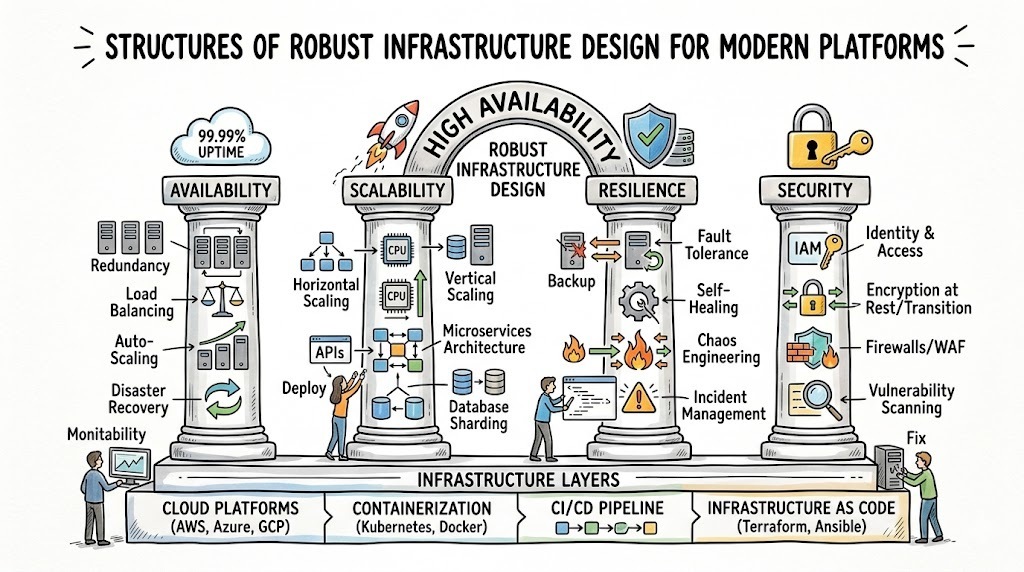
Architecting resilient systems requires deep operational expertise and an automation-first mindset to combat unexpected downtime. Today's fast-moving enterprises need specialized personnel who can ensure platform availability while deploying software updates at rapid intervals. This comprehensive analysis evaluates the Certified Site Reliability Professional framework, a curriculum tailored explicitly for infrastructure professionals looking to master live environment operations. By mastering these production-tested concepts, engineering leaders and developers can build architectures that withstand massive consumer traffic spikes. Choosing to benchmark your skills against these global standards through established educational platforms like SreSchool will solidify your authority in platform engineering.
What is the Certified Site Reliability Professional?
The Certified Site Reliability Professional program delivers a highly practical validation pathway focused entirely on modern infrastructure operations. It exists to replace purely theoretical cloud concepts with rigorous, production-grade systems engineering principles. Instead of evaluating basic syntax, this standard requires candidates to prove their ability to manage complex cloud environments under stress.
Global enterprises utilize this certification structure to standardize operational expectations across their engineering departments. The curriculum emphasizes proactive error budget management and automated infrastructure provisioning over manual troubleshooting practices. Ultimately, this program confirms that an engineering professional possesses the actual technical capabilities needed to maintain enterprise application uptime.
Who Should Pursue Certified Site Reliability Professional?
Systems architects, cloud operations engineers, and software developers who want to specialize in high-availability platforms gain immense advantages from this track. Traditional infrastructure administrators seeking to modernize their toolsets also find the automation-heavy coursework highly beneficial. Furthermore, technical managers take this path to establish better service level metrics across their entire product ecosystem.
The framework scales effectively to support both early-career operations personnel and senior technical directors managing global systems. Engineering teams across India and international technology hubs rely on this standard to align their workflows with elite industry practices. Anyone dealing with deployment pipelines, monitoring suites, or live incident response will find immediate value here.
Why Certified Site Reliability Professional is Valuable and Beyond
Enterprise organizations prioritize system availability above all else, keeping the demand for reliability experts exceptionally high across the tech industry. Because this certification teaches underlying architectural resilience rather than fleeting software trends, the knowledge remains valuable for decades. Professionals who hold this credential consistently demonstrate their ability to eliminate operational waste and protect corporate revenue streams.
Investing time into this program returns immediate results through superior system visibility and faster incident resolution times. Organizations continually seek out individuals who can convert manual operational tasks into predictable, reusable software code. As distributed computing environments grow in scale, these specialized skills directly dictate an engineer's market value.
Certified Site Reliability Professional Certification Overview
The entire examination and validation workflow happens through controlled web channels to protect the integrity of the credential. Candidates face interactive, performance-based simulation environments that thoroughly test actual command-line troubleshooting capabilities. This practical methodology ensures that successful individuals can handle real infrastructure emergencies confidently.
The programmatic structure champions total system ownership, data-driven reliability targets, and aggressive automation of repetitive engineering workflows. Because the assessment avoids traditional rote memorization, employers highly respect the verified digital badge. Engineers who complete the requirements stand out clearly as reliable operators capable of guarding enterprise production environments.
Certified Site Reliability Professional Certification Tracks & Levels
The certification program features three distinct tiers—foundation, professional, and advanced—to mirror the natural growth of an engineering career. This multi-stage progression allows candidates to begin their validation journey at a level that matches their daily production experience. Each tier layers on more advanced operational challenges, moving from basic telemetry collection to complex multi-region disaster recovery.
Tailored specialization pathways enable professionals to customize their education according to specific business needs like cloud-native infrastructure or platform automation. These tracks guarantee that developers can master code-driven reliability while operations specialists focus on large-scale systems deployment. The resulting hierarchy offers a clear, structured roadmap for continuous professional advancement.
Complete Certified Site Reliability Professional Certification Table
| Track | Level | Who it’s for | Prerequisites | Skills Covered | Recommended Order |
|---|---|---|---|---|---|
| Core Operations | Foundation | Associate Admins, Support Techs | Basic Command Line & Networking | Telemetry, Incident Workflows, Linux | First |
| Systems Engineering | Professional | SREs, Automation Engineers | 2+ Years Production Cloud | Observability, CI/CD pipelines, IaC | Second |
| Architecture Design | Advanced | Principal Architects, Directors | Professional Tier Certificate | Chaos Engineering, Global Scale | Third |
Detailed Guide for Each Certified Site Reliability Professional Certification
Certified Site Reliability Professional – Foundation
What it is
This initial certification validates a candidate's grasp of core infrastructure monitoring, basic automation principles, and standard incident response terminologies. It proves you understand how to use software scripts to replace manual server maintenance routines.
Who should take it
Junior cloud engineers, technical support analysts, and systems administration professionals entering the world of scalable operations should take this test.
Skills you’ll gain
- Configuring open-source monitoring daemons across Linux distributions.
- Tracking infrastructure performance metrics like disk utilization and network traffic.
- Developing basic automation tools using shell scripting or Python.
- Operating efficiently within standard incident response escalation loops.
Real-world projects you should be able to do
- Construct a unified alerting dashboard for a standard three-tier cloud application.
- Write a script that checks server health parameters and sends automated notifications upon failure.
Preparation plan
- 7–14 days: Review elementary Linux administration tools and foundational networking concepts thoroughly.
- 30 days: Set up virtual test machines and configure basic logging pipelines manually.
- 60 days: Take mock assessments that challenge your basic system sorting and debugging speed.
Common mistakes
- Reviewing theoretical documentation endlessly while neglecting practical command-line terminal practice.
- Failing to understand fundamental web transport protocols like HTTPS and DNS routing mechanisms.
Best next certification after this
- Same-track option: Certified Site Reliability Professional – Professional Level
- Cross-track option: Cloud Deployment Framework Specialist
- Leadership option: Operations Team Lead Practitioner
Certified Site Reliability Professional – Professional
What it is
This mid-tier credential verifies an operator's ability to construct, maintain, and monitor highly automated microservice environments. It confirms your expertise in authoring infrastructure templates and orchestrating container deployments at scale.
Who should take it
DevOps specialists, cloud engineers, and platform developers with a minimum of two years of hands-on experience should sit for this exam.
Skills you’ll gain
- Building end-to-end observability architectures utilizing traces, logs, and metrics.
- Provisioning cloud resources programmatically via declarative infrastructure as code tools.
- Executing advanced canary deployment patterns to minimize application release risks.
- Managing container clusters securely under heavy consumer transactional volume.
Real-world projects you should be able to do
- Deploy a production-ready Kubernetes cluster complete with automated Prometheus alerting.
- Establish a self-healing deployment pipeline that stops bad software releases automatically.
Preparation plan
- 7–14 days: Evaluate your existing familiarity with container runtime systems and software-defined networks.
- 30 days: Build complex configuration management files to automate multi-server environments.
- 60 days: Break staging environments deliberately to practice rapid system restoration techniques.
Common mistakes
- Focus entirely on application logic while ignoring data backup consistency and storage replication state.
- Operating solely through visual cloud management screens instead of utilizing terminal diagnostic utilities.
Best next certification after this
- Same-track option: Certified Site Reliability Professional – Advanced Level
- Cross-track option: Distributed System Security Architect
- Leadership option: Systems Engineering Manager Certification
Certified Site Reliability Professional – Advanced
What it is
This expert-level certification confirms an architect's capacity to design global, self-healing infrastructure topologies and orchestrate corporate reliability strategies. It emphasizes controlled production failure injection, proactive capacity modeling, and system-wide risk reduction.
Who should take it
Senior platform architects, principal systems engineers, and infrastructure directors supervising mission-critical application ecosystems should pursue this badge.
Skills you’ll gain
- Designing multi-cloud active-active architectures that feature real-time automatic failover capabilities.
- Directing safe chaos engineering experiments inside live consumer-facing systems.
- Defining organizational service level agreements and managing collective team error budgets.
- Investigating complex cascading outages to implement definitive preventative safeguards.
Real-world projects you should be able to do
- Engineer a cross-continental database synchronization engine that survives complete data center blackouts.
- Introduce an automated fault-injection routine that verifies cluster self-correction capabilities regularly.
Preparation plan
- 7–14 days: Study advanced network consensus mechanisms and global traffic balancing algorithms deeply.
- 30 days: Plan, configure, and execute a controlled blast-radius chaos experiment in staging.
- 60 days: Analyze notable enterprise outage histories to master resilient disaster recovery design.
Common mistakes
- Implementing overly complex technology additions that introduce new hidden failure modes.
- Concentrating exclusively on technical machinery while ignoring the cultural alignment teams need to thrive.
Best next certification after this
- Same-track option: Enterprise Operations Research Fellow
- Cross-track option: Master Data Infrastructure Architect
- Leadership option: Chief Availability Officer Strategy Program
Choose Your Learning Path
DevOps Path
Engineers selecting this route focus on uniting development activities directly with production deployment workflows. They build robust continuous integration loops, automate application validation testing, and orchestrate consistent environment provisioning. This methodology ensures that code updates move into customer-facing environments rapidly without sacrificing quality standards. By utilizing version control for environment states, professionals transform hardware setups into reliable, repeatable software processes.
DevSecOps Path
This trajectory embeds security verification gates into every layer of the modern application delivery lifecycle. Professionals automate static code analysis, manage container vulnerability scans, and implement continuous compliance monitoring within automated build routines. This approach prevents rapid deployment cycles from introducing security flaws into production cloud environments. By shifting security checks to the earliest development phases, teams eliminate manual compliance bottlenecks entirely.
SRE Path
This discipline applies software engineering practices directly to complex infrastructure operational challenges. Practitioners write software tools to eliminate manual administrative toil, optimize monitoring telemetry, and balance cluster processing capacity. They take full accountability for system uptime, latency characteristics, and overall platform health metrics. This balanced approach utilizes mathematical error budgets to protect user experience while allowing development teams to innovate.
AIOps Path
Operators on this modern path deploy machine learning models to parse massive torrents of log data and system metrics. They train artificial intelligence engines to identify performance anomalies, forecast storage shortages, and execute rapid root-cause isolation. This approach allows infrastructure teams to abandon basic threshold alerts in favor of intelligent, predictive environment management. As clusters grow larger, this methodology isolates critical signals from distracting background data noise during major events.
MLOps Path
This specialty tackles the unique systemic requirements of managing artificial intelligence and machine learning pipelines in production. Engineers build automated frameworks that govern data ingestion, facilitate continuous model training, and monitor live prediction endpoints. They watch closely for statistical data drift and resource consumption variances common to heavy parallel computing hardware. This track ensures that complex predictive models deliver accurate, reliable business decisions consistently over time.
DataOps Path
This operational avenue introduces software engineering discipline straight to enterprise data storage and analytical delivery pipelines. Technicians build automated data validation steps, orchestrate continuous database transformation pipelines, and monitor data warehouse performance continuously. These measures prevent corrupted data fields from causing downstream application failures or breaking executive business reporting systems. This specialty keeps the organization's data infrastructure highly available and trustworthy.
FinOps Path
This career track fuses financial oversight with cloud resource engineering to drive maximum corporate value from cloud investments. Professionals track infrastructure usage trends, automate the destruction of idle compute resources, and architect right-sized cluster configurations. They deliver real-time spend visibility directly to development teams, allowing engineers to understand the financial cost of architectural choices. This alignment stops cloud resource waste while maintaining application performance targets.
Role → Recommended Certified Site Reliability Professional Certifications
| Role | Recommended Certifications |
|---|---|
| DevOps Engineer | Certified Site Reliability Professional – Professional Level |
| SRE | Certified Site Reliability Professional – Advanced Level |
| Platform Engineer | Certified Site Reliability Professional – Professional Level |
| Cloud Engineer | Certified Site Reliability Professional – Foundation Level |
| Security Engineer | Certified Site Reliability Professional – Professional Level |
| Data Engineer | Certified Site Reliability Professional – Foundation Level |
| FinOps Practitioner | Certified Site Reliability Professional – Foundation Level |
| Engineering Manager | Certified Site Reliability Professional – Advanced Level |
Next Certifications to Take After Certified Site Reliability Professional
Same Track Progression
Advancing past this program requires seeking deep operational competency inside the cloud-native open-source ecosystem. Engineers should pursue specialized certifications focused on enterprise-scale service mesh deployments and advanced container network security. This narrow focus elevates an engineer into a top-tier authority regarding high-availability distributed systems management.
Cross-Track Expansion
Broadening your career options requires acquiring deep knowledge in adjacent technical fields like distributed security or data engineering. Learning how to safeguard data pipelines or protect multi-tenant cloud networks makes an operator remarkably versatile. This multi-disciplinary wisdom positions you perfectly for hybrid cloud management roles within major enterprise organizations.
Leadership & Management Track
Moving into executive technology positions shifts your focus away from daily terminal operations toward macro risk strategy. Aspiring leaders should seek certifications in technological business administration and corporate information governance frameworks. This educational path transforms technical specialists into strategic leaders who align technical spending directly with corporate financial growth.
Training & Certification Support Providers for Certified Site Reliability Professional
DevOpsSchool designs rich educational blueprints that focus on modern configuration management, continuous deployment workflows, and enterprise cloud operations. Their training structures incorporate practical hands-on labs.
Cotocus delivers customized corporate training bootcamps centered on microservice containerization, cloud resource orchestration, and deep monitoring concepts. They assist organizations with modernizing their tech talent.
Scmgalaxy maintains a massive knowledge portal containing technical manuals, system guides, and training tracks for build and release engineers. They support the professional growth of operations communities.
BestDevOps structures specific training paths that help legacy systems administrators master automated cloud provisioning and modern release workflows. They offer real-world lab environments.
devsecopsschool.com provides targeted educational tracks that focus on embedding automated security scanners directly into continuous integration pipelines. They help teams embrace secure delivery.
sreschool.com offers specialized coursework focusing on distributed architecture resilience, cloud observability tools, automated chaos engineering, and incident response operations. They build production-grade systems skills.
aiopsschool.com trains engineering departments to apply machine learning algorithms to high-volume system metrics and operational log stores. They advance automated problem diagnosis.
dataopsschool.com guides data professionals in applying agile operational methodologies to large-scale data warehouses and processing pipelines. They improve data pipeline reliability.
finopsschool.com educates technical teams on combining cloud engineering decisions with financial efficiency metrics and budget accountability. They optimize enterprise cloud investments.
Frequently Asked Questions (General)
- Which core advantage does an infrastructure certification offer to working tech professionals? It verifies your real-world capability to manage live system environments, build automation tooling, and limit production outages. Employers recognize this badge as proof that you can protect their digital business operations reliably.
- What preparation time should an engineer expect for an intermediate operational exam? Most candidates invest thirty to sixty days of regular study to master the complete testing blueprint. This schedule provides ample time to build practical sample labs and study architectural theory.
- Do candidates need specific technical degrees before attempting foundational testing tracks? No academic degree prerequisites exist for the starting tier, though prior familiarity with basic Linux operations accelerates your learning. Beginners with strong motivation can pass the exam by utilizing standard study guides.
- Why do performance-based examinations carry more weight than multiple-choice tests? Performance evaluations require candidates to fix actual broken systems within a live, simulated terminal environment. This testing strategy proves you possess authentic diagnostic skills rather than simple memorization habits.
- How does reliability engineering training help traditional software developers? It teaches developers how their code execution impacts underlying hardware, network bandwidth, and memory allocation in production. This understanding inspires developers to write more efficient, fault-tolerant applications from the start.
- What makes automation software so critical to modern system validation programs? Automation removes unpredictable human error from routine server maintenance tasks and ensures consistent environment states across clusters. Testing programs evaluate your ability to replace repetitive manual work with declarative code.
- How frequently do training organizations update their infrastructure testing blueprints? Publishers revise testing objectives periodically to match current open-source tool trends and modern cloud security baselines. This regular maintenance ensures your certified skills remain relevant to corporate hiring managers.
- Is deep cloud platform familiarity mandatory before pursuing advanced operations credentials? Yes, expert tiers evaluate your capacity to handle cross-region failovers, complex cloud routing, and large microservice clusters. Attempting these exams without real cloud engineering experience usually brings poor results.
- Do international technology corporations recognize these specialized operations badges globally? These certifications follow universal cloud architecture standards, earning high respect across tech sectors worldwide. Holding the credential improves your profile visibility when applying for international roles.
- Why does observability take priority over basic system monitoring in modern networks? Observability allows teams to deduce the deep health state of an application by analyzing its trace metrics and logs combined. This deep insight helps engineers find hidden bugs before users ever experience an issue.
- How do error budgets protect both product feature speed and infrastructure health? They define an acceptable threshold of minor service disruption, allowing developers to push features until they exhaust the budget. This framework aligns development desires with operational stability goals perfectly.
- Should corporate engineering directors consider taking these operational validation tracks? Yes, possessing technical reliability knowledge helps leaders set accurate service standards and manage engineering team workloads better. It ensures corporate decisions support stable software environments.
FAQs on Certified Site Reliability Professional
- Which precise philosophy separates this program from standard cloud certification tracks? The program approaches operational stability challenges through a dedicated software engineering lens. It trains professionals to build automated software platforms that manage, scale, and repair infrastructure elements independently.
- How does this certification influence an engineer's salary potential in regional tech hubs? Enterprises continuously hunt for certified individuals to lead high-stakes cloud migrations and stabilize application uptime. Having this credential verified on your profile opens doors to premium infrastructure consulting contracts.
- Does the final exam prioritize proprietary platform utilities or general open-source tools? The curriculum focuses heavily on universal open-source container systems, telemetry tools, and infrastructure provisioning languages. This standard makes your engineering skills valuable across any cloud vendor.
- What coding proficiency level must an engineer possess for the professional track? Candidates must confidently write automation logic using structured languages like Python, Bash, or Go. You must understand how to manipulate configuration files and parse structural API responses cleanly.
- How does the curriculum address team culture during post-outage system reviews? It teaches the execution of blameless post-mortems that investigate architectural and process gaps rather than targeting individual human errors. This technique helps organizations establish healthier, more transparent engineering cultures.
- Can experienced systems administrators bypass foundational testing to take professional exams? Yes, operators who already manage production cloud environments daily can jump straight to the professional validation step. Skipping the foundation tier saves time for seasoned industry veterans.
- What methodologies does this course teach to handle sudden internet traffic surges? The material covers horizontal auto-scaling design, intelligent traffic shedding, and defensive circuit-breaker application patterns. These approaches keep core application databases safe during unexpected usage spikes.
- Where does data privacy compliance sit within the advanced reliability curriculum? Advanced levels evaluate your ability to design secure telemetry streams that mask sensitive data while maintaining system visibility. This knowledge ensures your infrastructure respects international consumer privacy laws.
Final Thoughts: Is Certified Site Reliability Professional Worth It?
Upgrading your professional capabilities requires selecting educational paths that align directly with actual enterprise hiring gaps. The framework provided by this program addresses the single biggest headache for modern tech companies: keeping distributed digital services running smoothly without expensive outages. For engineers trapped in a loop of manual server patching and constant emergency alerts, this standard provides a definitive escape route toward automated systems design.
Genuine professional value comes from the intense lab work and structural mindset shifts you experience during preparation, rather than just the credential itself. If you want to position yourself as an authority in cloud-native operations and platform automation, this educational journey represents a smart, long-term career investment. Analyze your personal skill gaps, choose your initial tier, and start building more resilient systems today.



Top comments (0)