
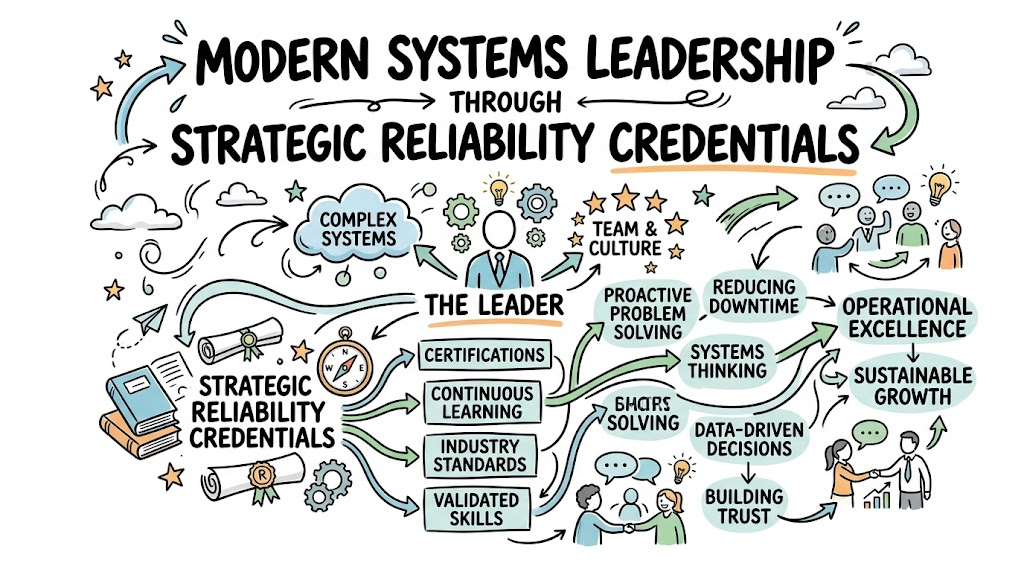
Enterprise software ecosystems demand exceptional resilience under massive traffic volumes. Organizations worldwide confront severe financial losses when critical digital services suffer unexpected downtime. To solve this operational bottleneck, engineering professionals secure the Certified Site Reliability Manager credential to master the delicate equilibrium between deployment velocity and infrastructure safety. This comprehensive blueprint empowers developers, administrators, and technology directors to analyze the career impact of this certification architecture. Navigating contemporary cloud infrastructure requires verified operational competence, and this guide provides the necessary clarity for tactical professional growth. Technical leaders elevate their organizational impact by pursuing specialized training pipelines hosted directly through SreSchool.
Defining the Certified Site Reliability Manager Designation
The Certified Site Reliability Manager program establishes a strict professional benchmark for combining systems engineering with modern leadership principles. It exists because contemporary production environments require leaders who can bridge the gap between application architecture and infrastructure health. Rather than focusing on abstract academic theories, this curriculum emphasizes practical, production-grade applications across distributed cloud networks.
Enterprises require repeatable governance workflows to maintain high availability and maximize infrastructure investments. This certification addresses those requirements by teaching professionals how to build, scale, and monitor sustainable resilience strategies. Candidates master service level objectives, incident response coordination, and cultural frameworks that prevent systemic operational bottlenecks. Consequently, this program functions as an elite framework for teams scaling multi-tenant software platforms.
Ideal Candidates for Reliability Management
Cloud architects, infrastructure engineers, and operations developers extract immense career value from this structured professional development path. Senior engineers seeking a definitive bridge into team management discover highly relevant strategies for handling daily production challenges. Additionally, technology executives who oversee operations departments utilize these principles to establish clear, metric-driven business outcomes.
The comprehensive syllabus supports both technical contributors and prospective engineering leaders across diverse enterprise divisions. Compliance auditors and data architects learn to establish dependable pipelines that protect database consistency and corporate security mandates. Throughout the global technology sector, and particularly within India's exploding enterprise tech corridors, companies aggressively recruit certified leaders to manage migration strategies for mission-critical software assets.
Long-Term Enterprise Value of Reliability Governance
A successful technology career requires mastering architectural principles that outlast volatile software trends and tools. While deployment utilities change frequently, the foundational rules of systems reliability remain constant across the global tech landscape. This credential delivers evergreen managerial competencies that remain highly effective whether an enterprise utilizes Kubernetes clusters, serverless computing, or hybrid physical hardware.
Modern businesses demand technical managers who can generate clear financial returns on infrastructure investments. Implementing the governance models taught in this program allows leaders to minimize the duration and frequency of costly service disruptions. This capability ensures long-term professional relevance and provides a substantial return on educational time investments, keeping certified managers highly competitive in any hiring market.
Architectural Framework of the Program
The foundational education track operates through the official program portal and uses the dedicated hosting platform for all assessment delivery. The evaluation protocol emphasizes scenario-based problem solving and strategic design over basic textbook memorization. This methodology guarantees that certified professionals can confidently steer enterprise engineering units through real-time infrastructure emergencies.
The course structure respects the busy schedules of working engineers while preserving exceptional validation standards. The governing body updates the curriculum continuously to reflect real-world changes in cloud architecture and platform design. Through deep, scenario-driven testing, candidates prove their competence in tracking infrastructure spend, coordinating incident response teams, and aligning business expectations.
Progression Tracks and Operational Tiers
The educational framework contains progressive tiers that match the natural evolution of an engineering career. The initial tier introduces fundamental uptime vocabulary, telemetry design, and core automation principles required for daily platform maintenance. This baseline setup helps engineers enter the reliability field with a clear understanding of enterprise operational expectations.
The higher tiers shift their focus toward strategic system design, team management, and advanced risk mitigation practices. Specialized tracks allow candidates to align their exam goals with particular business demands like cloud finance or security automation. This matrix format ensures that as an engineer climbs into executive management, the coursework continues to provide actionable governance tools.
Comprehensive Reliability Credentials Matrix
| Track | Level | Who it’s for | Prerequisites | Skills Covered | Recommended Order |
|---|---|---|---|---|---|
| Operations Management | Foundation | Systems Engineers, Junior SREs | Basic Linux and Cloud Knowledge | SLO Monitoring, Incident Tracking, Blameless Culture | First |
| Enterprise Governance | Professional | Team Leads, Infrastructure Managers | 3+ Years Operations Experience | Error Budgeting, Capacity Planning, Team Structuring | Second |
| Strategic Architecture | Advanced | Principal Engineers, Technical Directors | 5+ Years Leadership Experience | Global Resilience, Chaos Engineering, Cost Optimization | Third |
Granular Breakdown of Individual Qualifications
Certified Site Reliability Manager – Foundation Level
What it is
This qualification validates an engineer's comprehension of baseline uptime metrics, standard monitoring frameworks, and collaborative post-mortem workflows. It builds a shared operational vocabulary for technical departments.
Who should take it
Systems administrators, deployment engineers, and software developers who want to align their code with enterprise reliability goals should pursue this exam.
Skills you’ll gain
- Formulating precise Service Level Indicators and Service Level Objectives
- Orchestrating constructive, blameless post-incident team reviews
- Designing basic end-to-end synthetic monitoring solutions
- Identifying and automating repetitive manual infrastructure tasks
Real-world projects you should be able to do
- Construct a complete visualization dashboard for an active microservices cluster
- Author a comprehensive blameless post-mortem report following a critical database outage
Preparation plan
- 7–14 Days: Memorize fundamental terminology and read the official platform documentation for an hour every day.
- 30 Days: Set up basic alerting parameters and build sample visualization dashboards using active telemetry tools.
- 60 Days: Launch full monitoring stacks inside a personal laboratory environment and complete simulated mock exams.
Common mistakes
- Spending excessive time on specific application features instead of mastering core system health metrics.
- Ignoring the cultural requirements of modern operations, including psychological safety and collective accountability.
Best next certification after this
- Same-track option: Certified Site Reliability Manager – Professional Level
- Cross-track option: Certified DevSecOps Practitioner
- Leadership option: Technical Team Lead Certificate
Certified Site Reliability Manager – Professional Level
What it is
This mid-tier credential verifies an engineer's capability to allocate error budgets, manage distributed architectures, and lead incident management efforts during live outages.
Who should take it
Senior platform engineers, infrastructure leads, and technical managers responsible for customer-facing system availability need this training.
Skills you’ll gain
- Administering multi-team error budgets across distinct engineering departments
- Designing resilient software infrastructure across separate geographical cloud zones
- Operating as an effective Incident Commander during major application outages
- Evaluating historic usage metrics to formulate precise capacity forecasts
Real-world projects you should be able to do
- Establish an automated error budget tracking mechanism that freezes new code delivery upon metric violation
- Build an automated geo-failover routine for a critical transactional api cluster
Preparation plan
- 7–14 Days: Analyze advanced disaster recovery patterns and master the core protocols of the Incident Command System.
- 30 Days: Run simulated infrastructure game-days and build multi-tier fallback mechanisms in staging spaces.
- 60 Days: Audit production performance data and build predictive resource models using statistical software.
Common mistakes
- Misjudging how fast an error budget degrades due to flawed data collection setups.
- Forgetting to maintain clear communication lines with stakeholders during simulated high-pressure outages.
Best next certification after this
- Same-track option: Certified Site Reliability Manager – Advanced Level
- Cross-track option: Cloud Security Solutions Architect
- Leadership option: Engineering Manager Professional Certification
Certified Site Reliability Manager – Advanced Level
What it is
This elite certification confirms an executive's ability to oversee global application footprints, lead corporate chaos engineering initiatives, and handle high-level technology governance.
Who should take it
Principal engineers, enterprise platform architects, and technology directors overseeing massive, distributed infrastructure ecosystems should apply.
Skills you’ll gain
- Executing controlled enterprise chaos engineering drills to discover latent architectural weaknesses
- Connecting engineering uptime performance directly to corporate financial indicators
- Creating comprehensive business continuity architectures for strict regulatory evaluations
- Upgrading conservative corporate cultures into proactive automation-driven technical teams
Real-world projects you should be able to do
- Launch a continuous chaos testing pipeline that evaluates live system boundaries safely under heavy loads
- Formulate a comprehensive cloud budget optimization strategy that matches performance demands with cost limits
Preparation plan
- 7–14 Days: Review corporate compliance mandates, executive governance rules, and financial forecasting practices.
- 30 Days: Draft corporate business continuity requirements and sketch out large-scale failure scenarios.
- 60 Days: Analyze international architectural case studies and undergo mock leadership scenario evaluations.
Common mistakes
- Separating infrastructure availability goals from the actual financial realities of the corporation.
- Disregarding strict regional data compliance laws when creating automated data migration pipelines.
Best next certification after this
- Same-track option: Executive Technology Governance Fellowship
- Cross-track option: Enterprise FinOps Director
- Leadership option: Chief Technology Officer Leadership Program
Customizing Your Educational Direction
DevOps Path
Engineers on this roadmap build reliability checks directly into their delivery pipelines. They write infrastructure entirely as code and insert automated quality gates to stop unstable software updates from reaching users. This methodology ensures that fast release cycles never compromise foundational environment stability.
DevSecOps Path
This strategy inserts security safeguards directly into the ongoing systems administration workflow. Technical teams install automated vulnerability scanners and configuration checks throughout the deployment pipeline without causing delays. The primary objective centers on shielding the platform from malicious actors and human configuration errors alike.
SRE Path
The standard SRE track applies software engineering principles directly to infrastructure scaling problems. Team members construct software frameworks to remove repetitive manual labor, maximize telemetry insights, and establish self-repairing infrastructure nodes. This career path treats custom code as the primary tool for managing massive systems.
AIOps Path
Professionals here deploy machine learning models to parse massive arrays of ongoing infrastructure data. They build predictive notification routines that identify software anomalies long before those bugs impact the user experience. This pivot transforms old-school reactive tracking into modern, software-driven proactive maintenance.
MLOps Path
This specialty handles the operational hurdles that come with maintaining machine learning pipelines in production at scale. Engineers learn to track data variations, control automated model retraining workflows, and stabilize servers under variable compute loads. It successfully connects data science research with enterprise production environments.
DataOps Path
This choice targets the predictability and performance of large-scale big data architectures and pipelines. Administrators track data quality metrics, automate pipeline deployments, and guarantee constant data availability across business intelligence systems. The workflow keeps corporate analytical layers operational, accurate, and completely fast.
FinOps Path
This commercial track merges financial accountability directly with cloud resource management habits. Professionals monitor actual server utilization metrics against monthly bills to remove waste and maximize efficiency. The strategy ensures that the company derives immense business value from its cloud spend without harming system speed.
Mapping Professional Roles to Reliability Qualifications
| Role | Recommended Certifications |
|---|---|
| DevOps Engineer | Foundation Level, CI/CD Automated Guardrails Specialist |
| SRE | Professional Level, Advanced Automation Architect |
| Platform Engineer | Professional Level, Infrastructure as Code Governor |
| Cloud Engineer | Foundation Level, Cloud Architecture Specialist |
| Security Engineer | Professional Level, DevSecOps Compliance Auditor |
| Data Engineer | Foundation Level, Data Pipeline Reliability Engineer |
| FinOps Practitioner | Professional Level, Cloud Cost Optimization Specialist |
| Engineering Manager | Advanced Level, Enterprise Technology Director |
Strategic Educational Steps Following Certification
Same Track Progression
After securing managerial credentials, professionals should upgrade their programming skills by seeking advanced automation qualifications. Focus on mastering low-level systems programming, operating system optimization, and distributed storage management. This deep technical competence ensures that high-level management decisions remain rooted in actual engineering realities.
Cross-Track Expansion
Broadening your operational vision requires exploring adjacent domains like enterprise security frameworks or distributed data meshes. Obtaining credentials in cloud cost tracking or security compliance provides a versatile professional vocabulary. This multi-faceted knowledge base substantially increases a manager's organizational value.
Leadership & Management Track
Moving fully into corporate leadership demands shifting your focus from daily operational metrics toward long-term business growth. Consider pursuing executive certificates that emphasize enterprise finance, organizational talent management, and corporate technology governance. This proactive study readies engineering leads for executive positions such as Director or Chief Technology Officer.
Educational Centers for Reliability Certification Candidates
DevOpsSchool coordinates excellent training support through interactive, instructor-led bootcamps built specifically for corporate teams. Their teachers emphasize hands-on laboratory environments that replicate real production outages accurately. This practice ensures that students cultivate authentic troubleshooting skills alongside their theoretical credentials.
Cotocus provides targeted consulting insights and specialized training roadmaps tailored around modern cloud-native systems. Their training modules highlight infrastructure automation, efficient deployment workflows, and modern platform engineering tenets. This focused curriculum helps engineers absorb advanced architectural strategies quickly.
Scmgalaxy maintains a massive archive of technical tutorials, community forums, and interactive study resources for systems professionals. Their study materials guide candidates through difficult configuration management issues and version control workflows. This repository simplifies long-term study preparations for busy candidates.
BestDevOps organizes highly focused training courses centered on modern delivery practices and platform reliability basics. Their accelerated learning model assists working professionals in mastering core operational theories within tight timeframes. This educational strategy emphasizes immediate, on-the-job utility.
devsecopsschool.com concentrates its entire training portfolio on merging safety frameworks with rapid software delivery pipelines. Their educational support ensures that technology managers implement security guardrails without slowing down product release cycles. This approach resolves an essential educational need for engineering leads.
sreschool.com functions as the premier international academy for dedicated site reliability engineering coursework. They provide deep, domain-specific classes that focus completely on scale challenges, platform resilience, and modern incident management. Their programs set the benchmark for elite production training.
aiopsschool.com shapes its courses around inserting artificial intelligence features into standard IT operational frameworks. They instruct engineers on how to deploy automated anomaly detection setups and algorithmic telemetry tools. This training prepares professionals for the future of automated system maintenance.
dataopsschool.com offers specialized educational tracks centered on building reliable, predictable big data systems for global enterprises. Their lectures cover data quality verification, storage node availability, and analytical pipeline governance. This coursework protects professionals handling complex data environments.
finopsschool.com provides unique instruction that merges corporate finance practices with cloud infrastructure administration. Their curriculum helps tech leads foster cost-aware engineering cultures without decreasing platform speed or availability. This training directly reinforces corporate fiscal objectives.
Frequently Asked Questions
- What difficulty level should candidates expect when sitting for the exam?
The evaluation features moderate to high difficulty because the questions test real-world management scenarios and architectural designs rather than simple definitions.
- How many hours must an engineer study to pass the evaluation comfortably?
Most professionals pass the examination within a 30 to 60 day window by dedicating roughly two hours to structured study each evening.
- Are there strict professional prerequisites that candidates must complete before the foundation test?
The administration requires no prior certifications, but candidates should understand basic cloud design concepts and command-line operating systems.
- What clear career returns does this specific management credential provide?
Graduates experience faster promotions into technology leadership roles, greater job mobility, and the ability to reduce software downtime inside their corporations.
- Should I master general deployment frameworks before entering this reliability management path?
Yes, understanding delivery pipelines and infrastructure automation makes learning high-level reliability governance frameworks significantly easier.
- How long does the certification title remain active before requiring a renewal process?
The credential remains active for exactly three years, after which managers complete updated education modules or sit for advanced tests to renew.
- Does this curriculum center on a particular cloud vendor like AWS or Microsoft Azure?
The entire program remains completely vendor-agnostic, teaching universal architectural concepts that apply across all public, private, or hybrid cloud setups.
- Can non-technical project coordinators extract genuine value from this reliability course?
Technical project managers benefit because the course provides the precise metric frameworks needed to oversee complex infrastructure engineering units.
- What specific question format does the official evaluation use to test candidates?
The test utilizes a combination of complex scenario-based multiple-choice options and deep infrastructure failure case studies.
- How does this path differ from standard software programming certifications?
Unlike coding qualifications, this course focuses entirely on platform uptime, operational governance, incident tracking, and infrastructure cost optimization.
- Is there an active professional network available for individuals who pass the test?
Yes, alumni secure access to dedicated chat channels, regional networking events, and continuing education webinars hosted by the main provider site.
- Can experienced operations leads skip the initial foundation tier entirely?
Engineers with more than three years of verifiable infrastructure management experience can apply for direct entry into the professional tier.
Detailed Topic Diagnostics
- How does this curriculum help managers secure microservices environments during rapid deployment cycles?
The coursework teaches advanced canary testing systems, blue-green deployment patterns, and automated traffic management rules. This comprehensive training ensures that engineering leaders can scale up deployment frequencies while preserving system stability during high-volume commercial events.
- Which quantitative data points does the course recommend for tracking engineering efficiency?
The syllabus emphasizes tracking the mean time to detect anomalies, mean time to resolve platform failures, and overall error budget depletion rates. Focusing on these clear metrics eliminates subjective performance guessing and keeps engineering departments focused on actual service goals.
- What specific methods does the course outline to establish an authentic blameless culture?
It offers concrete blueprints for guiding software teams away from individual blame toward comprehensive root-cause analysis. Managers learn to coordinate post-incident reviews so that engineers openly share mistakes, which ultimately leads to much stronger enterprise architectures over time.
- How do candidates learn to apply chaos engineering practices inside an active corporate environment?
The training explains how to design, scope, and launch controlled failure-injection experiments inside staging environments and production networks safely. This process allows engineers to detect hidden dependencies and architectural vulnerabilities before they evolve into severe customer-facing outages.
- What automation practices does the program highlight to eliminate repetitive system maintenance work?
Candidates learn to measure the financial drain of manual operations and construct automation roadmaps that limit routine maintenance to fifty percent of a team's total workload. This structural constraint frees up valuable engineering bandwidth for proactive feature creation.
- How should a certified professional manage disagreements regarding speed and platform safety?
The coursework provides objective tracking systems that use error budgets as the definitive baseline for product release approvals. When a team drains its allocated error budget, deployment blocks engage automatically, forcing developers to prioritize stability fixes over feature additions.
- Are cloud budget governance strategies included within the advanced levels of training?
Yes, the higher tiers inject financial management habits directly into the core system architecture design process. Corporate leaders learn to locate idle infrastructure components, monitor unit economics, and generate maximum application performance per dollar spent on public cloud systems.
- What specific business continuity designs does this management program test and validate?
The exam checks an engineer's capability to orchestrate multi-region data replication, verify recovery time objectives, and execute fully automated failover routines. This preparation ensures that an enterprise can withstand catastrophic infrastructure losses without interrupting customer workflows.
Gauging the Career Investment: Final Assessment
Acquiring a high-level professional certification demands a serious investment of time, energy, and educational focus. The modern technology market actively rewards engineering leaders who can guarantee application availability while keeping cloud expenses under strict control. This program delivers the exact metric systems, architectural frameworks, and governance strategies required to meet those corporate goals with total confidence.
For ambitious engineers eager to step away from daily manual debugging and enter the world of corporate technology governance, this credential provides exceptional value. It replaces guesswork with verified enterprise standards for tracking system availability and improving team productivity. Ultimately, if you want to guide platform engineering teams and construct elite, resilient software ecosystems, this qualification serves as an incredibly effective career accelerator.



Top comments (0)